01Customer and service-location context
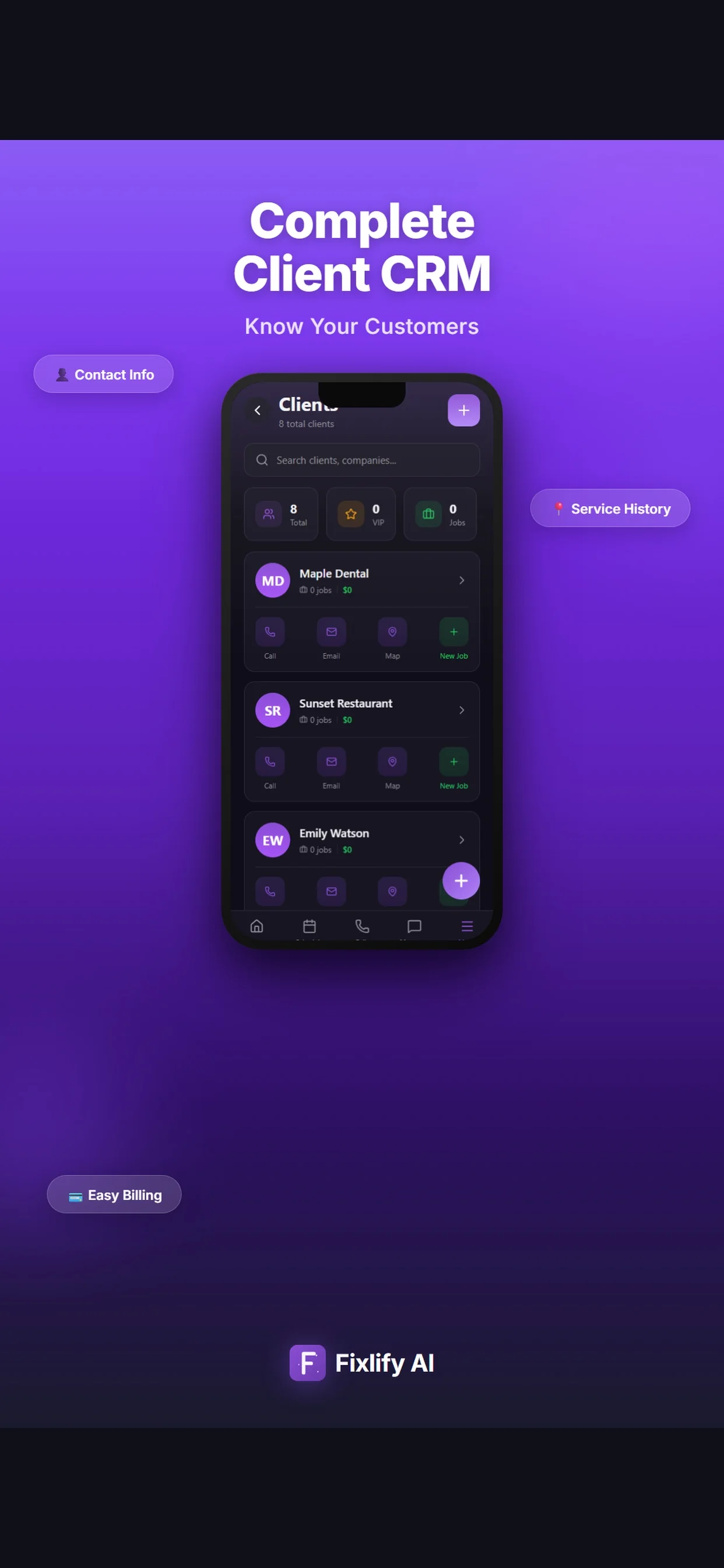
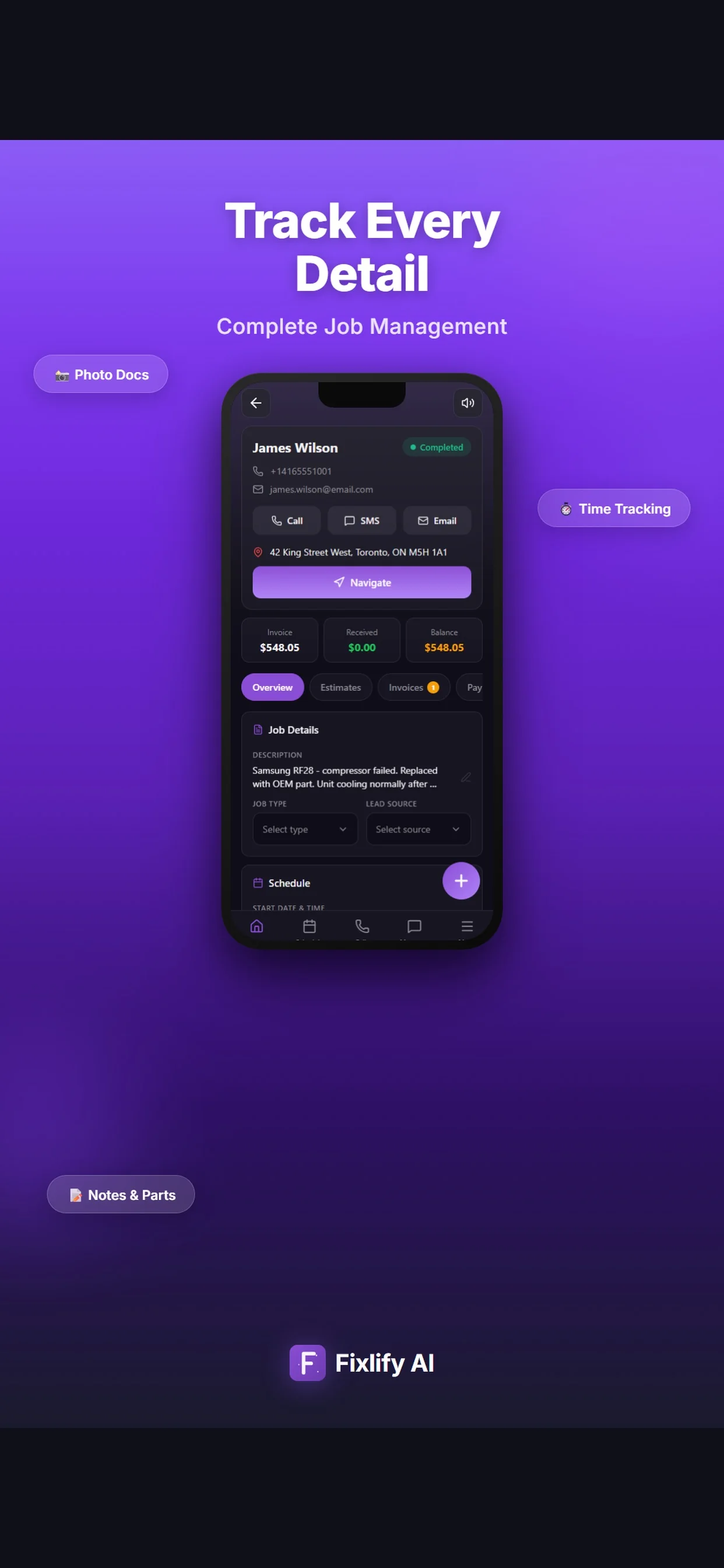
The system should connect the right customer and property with contacts, units or structures, access instructions, reported concerns, service expectations, photos, and relevant history. Confirm that staff can correct information without creating conflicting copies.
Test it: Create two service locations for one commercial customer, add different access notes, and confirm the technician opens the correct job and history.
02Planned work and schedule exceptions
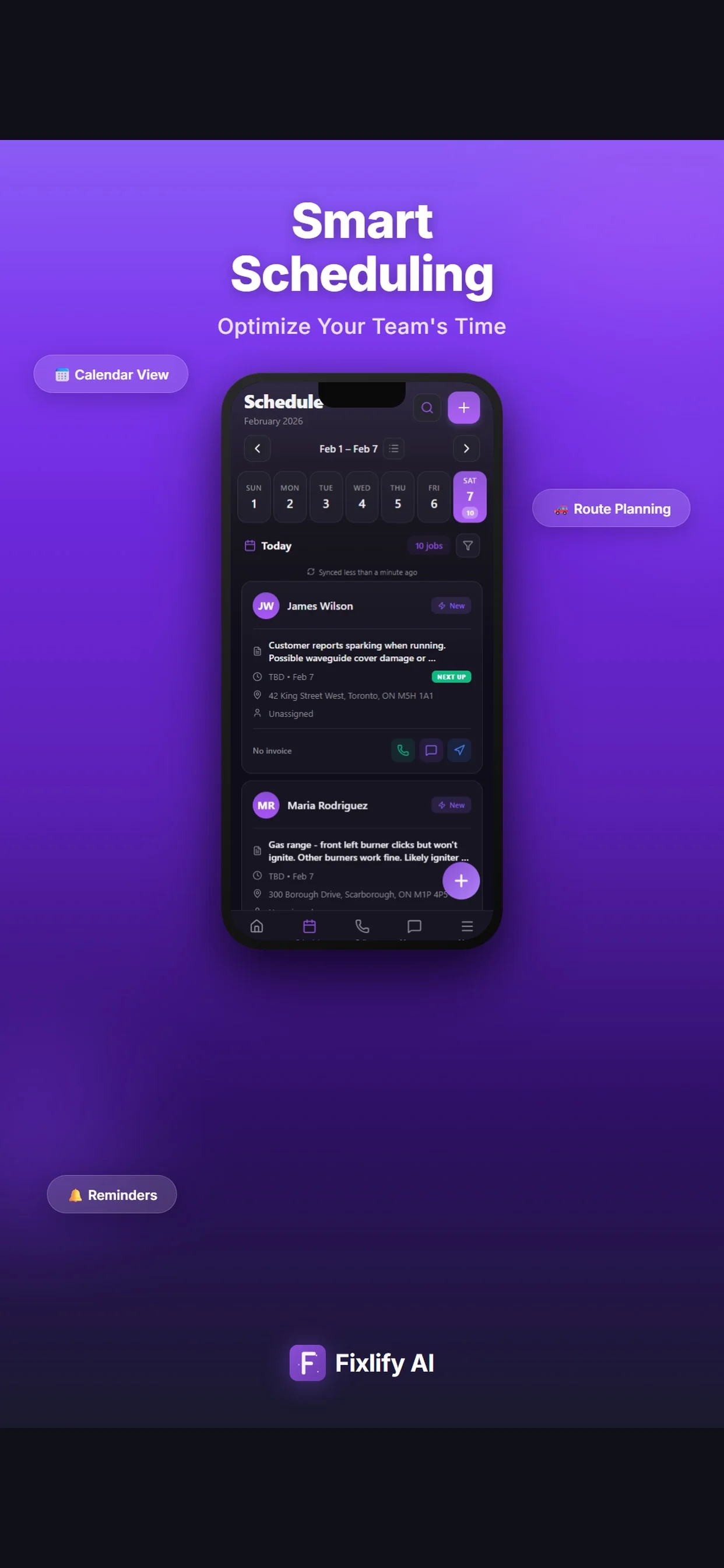
Test the service cadence the business actually sells, then include a skipped visit, customer pause, reassignment, callback, added service, and agreement end. Confirm how individual appointments relate to the customer commitment and billing process.
Test it: Create a sample sequence, move one appointment, add one callback, and verify that completed history and future work remain distinct.
03Field records and compliance boundary
Define required fields from the governing authority, product label, licence, and contract before the demo. Check structured entry, required-field validation, corrections, timestamps, signatures, retention, export, and retrieval on the actual field device.
Test it: Enter and correct an anonymized treatment record, export it, and have the compliance owner confirm whether the tested process meets the documented requirement.
04Dispatch and route review
Service addresses, working hours, technician qualifications, visit duration, customer windows, weather, and urgent changes all affect the day. Verify what the system shows and what still requires a person or specialist routing tool.
Test it: Build a six-stop route, insert a callback, reassign one visit, and confirm every technician sees the current address, scope, and appointment.
05Inspection, estimate, and approval
A new finding should remain evidence until a qualified person confirms scope. Check how photos, notes, proposed services, assumptions, exclusions, revisions, customer approval, and follow-up work stay connected without rewriting the completed visit.
Test it: Record an outside-scope finding, create and revise an estimate, capture the decision, and schedule follow-up from the same customer history.
06Invoices, payments, and accounting handoff
A visit record is not complete bookkeeping. Review taxes, agreement and one-time invoices, failed payments, credits, refunds, deposits, receipt retention, exports, and reconciliation ownership before relying on the financial workflow.
Test it: Create planned-service and follow-up invoices, apply one correction, export the records, and reconcile the sample outside the demo.
07Plan limits, usage, support, and exit
Compare members, monthly jobs, AI credits, phone numbers, messages, attachments, support, onboarding, export, renewal, and the busiest seasonal month. QuickBooks is currently marked coming soon in Fixlify, so include the current accounting handoff in the trial.
Test it: Calculate twelve months for the expected team and workload, then export sample customers, jobs, documents, and attachments before signing.