01Customer, pool, and access context
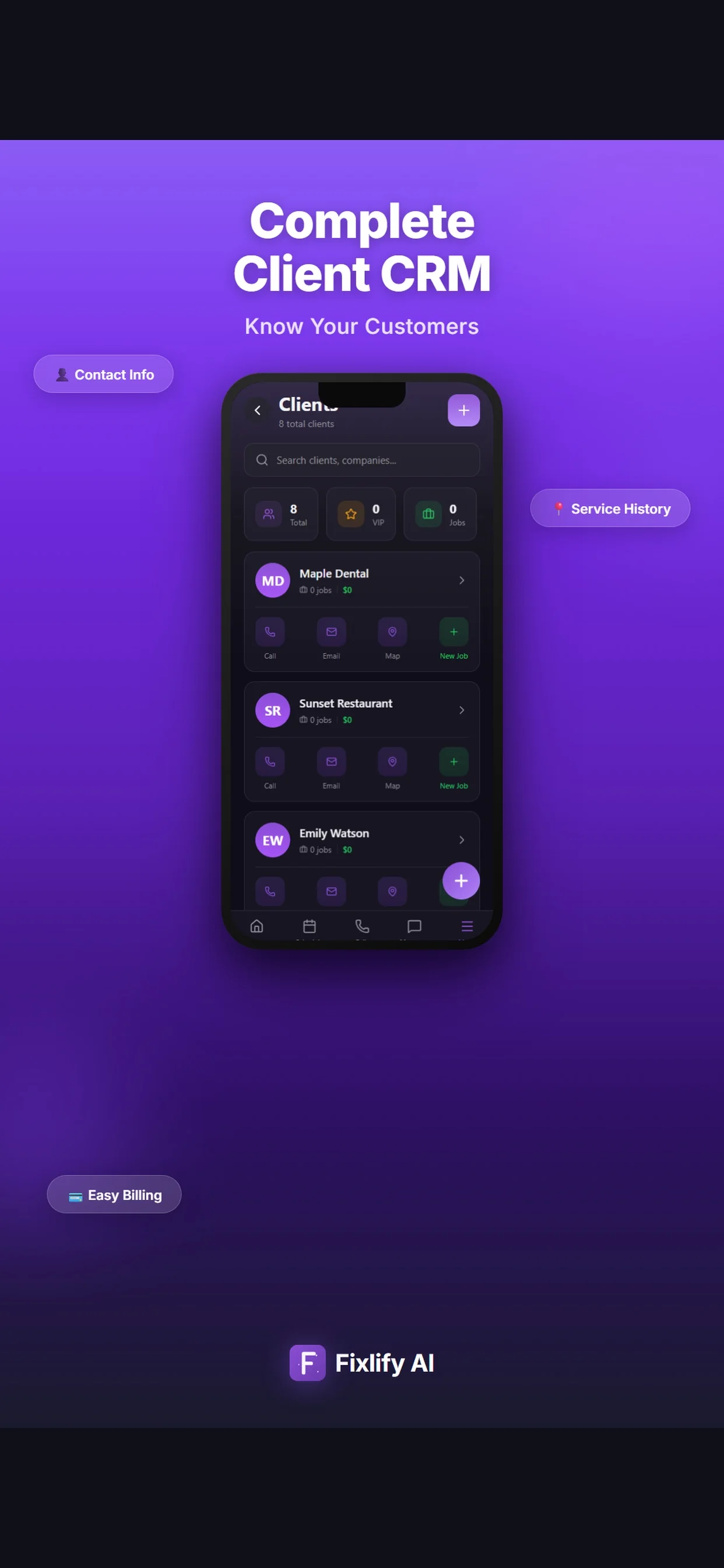
The system should connect the correct customer and service address with gate instructions, pets, preferred contact method, service expectations, photos, and relevant history. Check how staff correct information without leaving conflicting copies in messages or notes.
Test it: Create two pools for one property manager, give each different access notes, and confirm the technician opens the correct record.
02Visit planning and route review
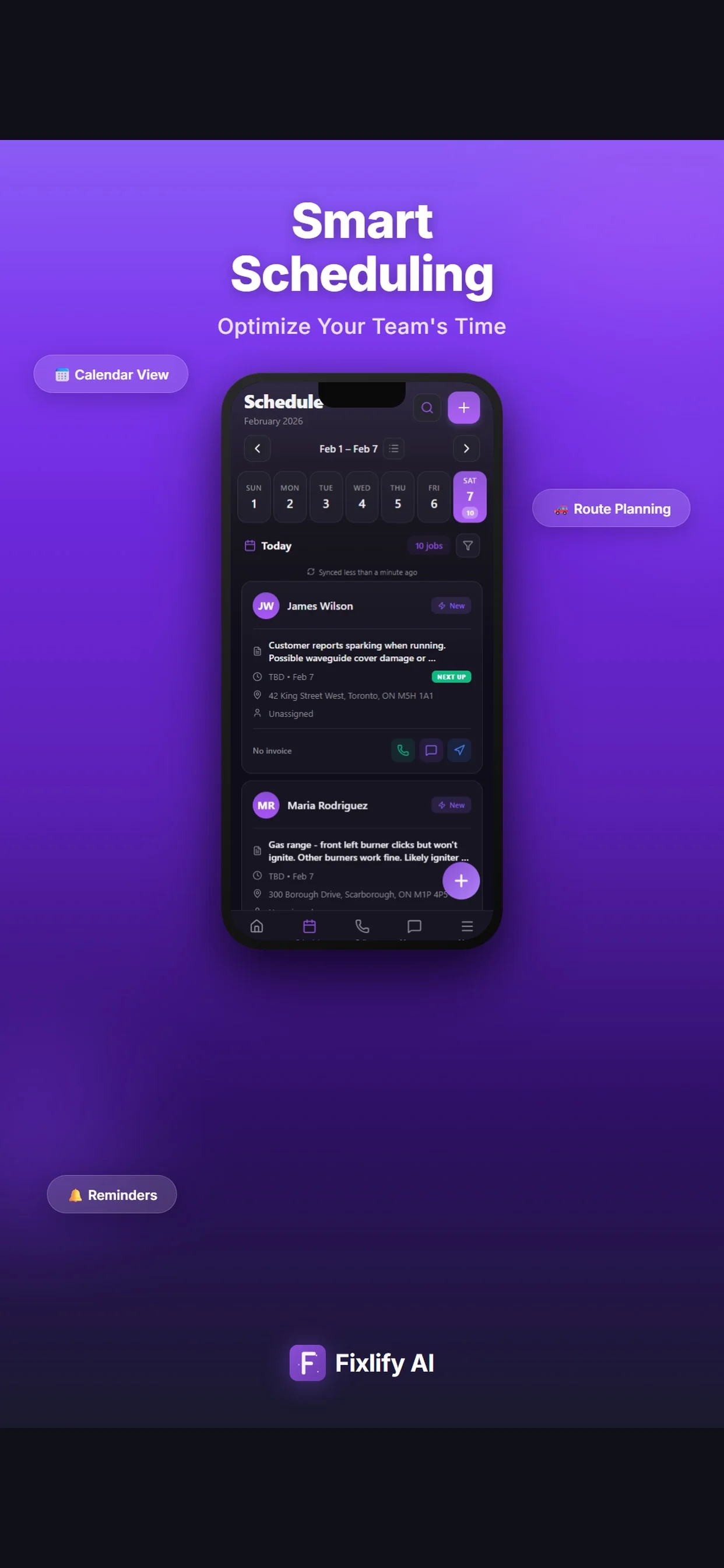
Pool work repeats across many addresses, but customer windows, technician availability, expected duration, weather, and travel change. Verify how the calendar shows the underlying job context while a person assigns, reorders, moves, or cancels a visit.
Test it: Build a six-stop sample day, move one locked-gate visit, and confirm every job keeps its customer, address, owner, and notes.
03Mobile field record
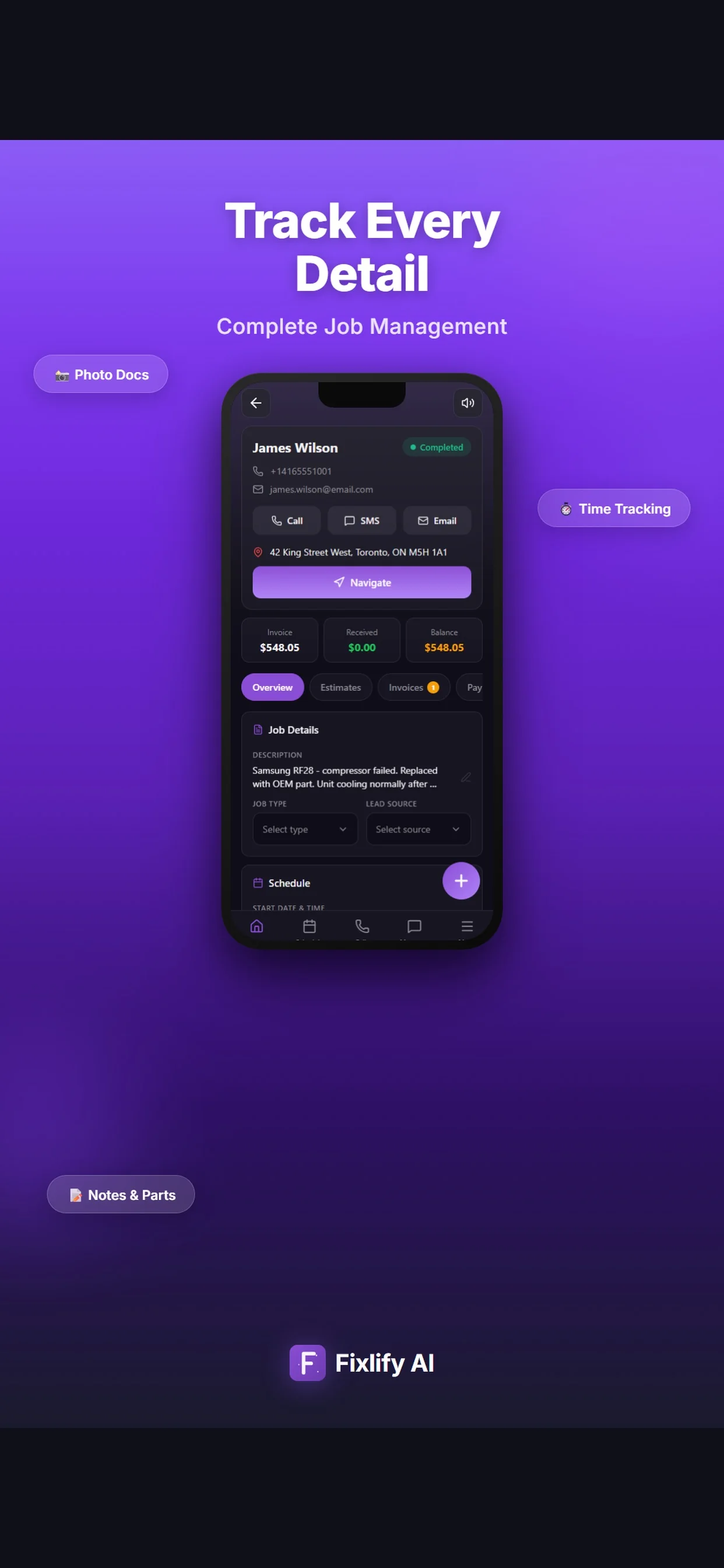
Technicians need the actual visit, service instructions, access notes, relevant history, and a clear way to add work notes, manually entered readings, observations, and photos. Test the device, permissions, and connectivity conditions used in the field.
Test it: Open a scheduled visit on a phone, add two manual readings and a photo, then confirm the office sees the update on the correct job.
04Exceptions, repairs, and approvals
A routine stop can expose work that needs inspection, specialist judgment, parts, price, and customer approval. Check whether the system preserves the original finding and evidence while separating proposed work from approved and completed work.
Test it: Record a pump-area leak, create and revise an estimate, record the decision, and schedule follow-up without changing the completed service record.
05Customer communication and intake rules
Review what information a caller or message can add, which appointment rules are configured, and when the request reaches a person. AI intake should use approved business facts and escalation paths; it should not invent water-care advice, technician qualifications, prices, or availability.
Test it: Submit a normal service request and an urgent equipment-safety question, then inspect the captured facts and human escalation path.
06Invoices, payments, and accounting handoff
A visit record is not complete bookkeeping. Confirm how staff review approved work, taxes, invoice status, payment references, credits, refunds, deposits, receipt retention, and export before records reach the accounting system and reconciliation owner.
Test it: Create a visit invoice and repair invoice, apply one correction, export the records, and reconcile the sample outside the demo.
07Plan limits, usage, support, and exit
Compare members, monthly jobs, AI credits, phone numbers, communication use, attachments, support, export, renewal, and the busiest seasonal month. QuickBooks is currently marked coming soon in Fixlify, so include the present accounting handoff in the trial.
Test it: Calculate twelve months for the expected team and route volume, then export sample customers, jobs, documents, and attachments before signing.